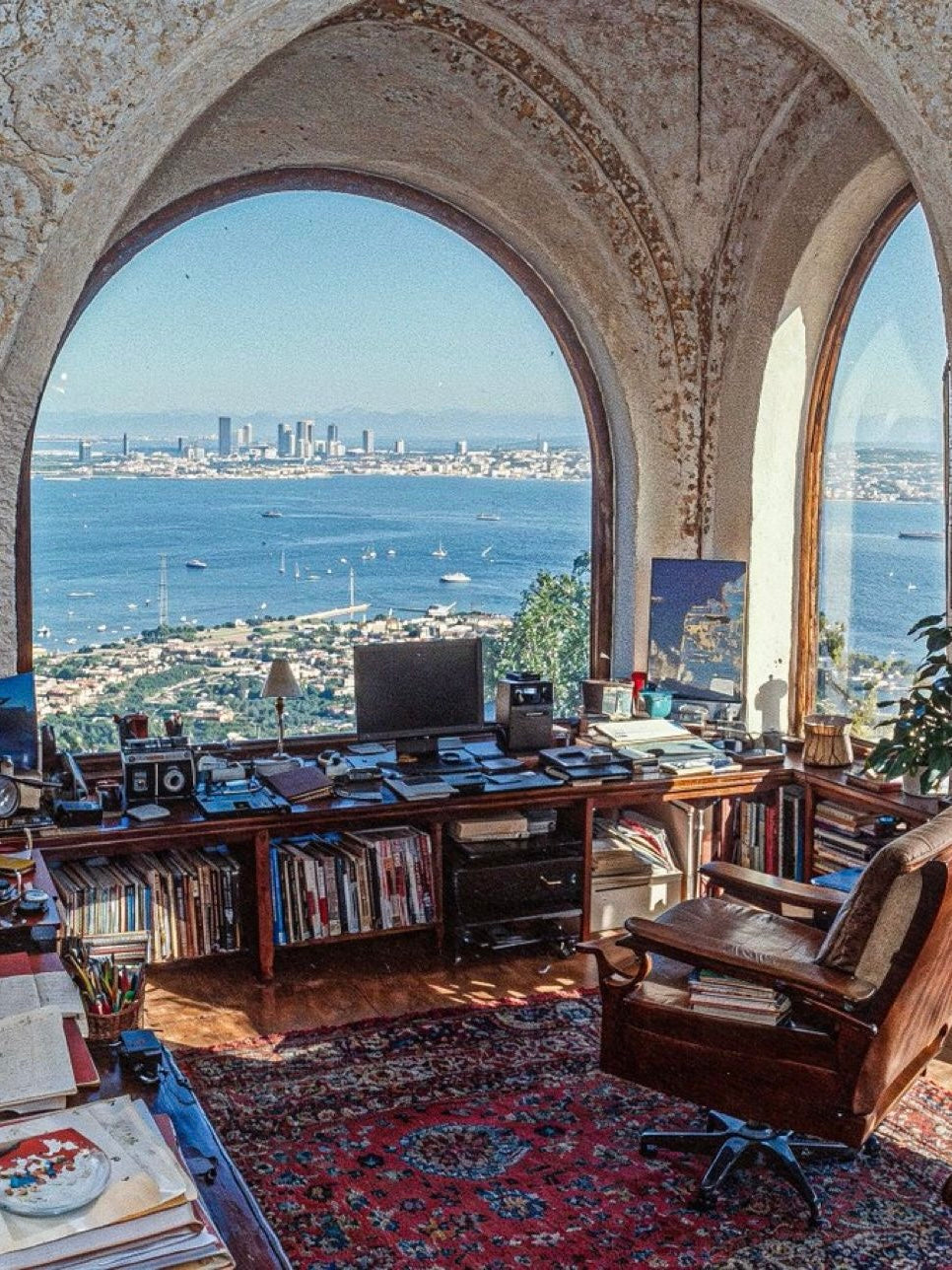
Nervous System Friendly Interior Design | How Environment Affects Stress
Your environment has a profound effect on your nervous system, stress levels, and overall wellbeing. Science shows that thoughtfully designed spaces can reduce stress, calm your mind, and support your body’s natural regulation. By incorporating design principles that engage the senses and create balance, you can turn your home or workspace into a sanctuary that promotes peace and nervous system resilience.
Light is one of the most influential factors in interior design for nervous system regulation. Natural light exposure helps synchronize circadian rhythms, boosts mood, and enhances focus. Large windows, skylights, and reflective surfaces that maximize daylight are key, while dimmable lighting or warm toned bulbs in the evening can support relaxation and melatonin production.
Color also impacts your nervous system. Soft, muted tones like blues, greens, and earth shades tend to activate the parasympathetic nervous system, which promotes relaxation and reduces heart rate. Conversely, overly bright or saturated colors may increase arousal and stress, so balance is essential depending on the room’s purpose.
Nature and biophilic elements play a critical role in calming the nervous system. Indoor plants, natural textures like wood or stone, and images of natural landscapes have been shown to lower cortisol levels, reduce anxiety, and improve mood. Even small additions, such as a potted plant or natural fiber rug, can make a measurable difference.
Sound and acoustics influence stress and focus. Quiet, soothing spaces reduce sympathetic nervous system activation, while loud or harsh noise can increase tension and heart rate. Soft furnishings, rugs, and acoustic panels help absorb sound, and gentle background noise like water features or nature sounds can enhance calm.
Clutter reduction and organization are more than aesthetic choices—they directly affect mental load. Studies show that cluttered environments increase stress hormone levels and reduce working memory. Minimalist layouts, smart storage solutions, and intentional placement of items can create visual calm and help your nervous system relax.
Texture and touch stimulate sensory regulation. Soft textiles, smooth surfaces, or layered textures provide tactile comfort and support grounding. Using a variety of textures in moderation can create a sense of safety and ease.
Temperature and airflow are subtle but powerful. Cool, well ventilated spaces help prevent overstimulation, while maintaining comfortable warmth supports relaxation. Regular airflow and access to fresh air also influence alertness and overall wellbeing.
By thoughtfully integrating light, color, nature, sound, organization, texture, and airflow, you can design interiors that actively support nervous system regulation. These strategies are rooted in neuroscience and environmental psychology, proving that the spaces we inhabit do more than house us—they shape our mental, emotional, and physical states.
Image Source: unknown
Scientific Sources:
- Ulrich, R.S. “View through a window may influence recovery from surgery.” Science, 1984.
- Kellert, S.R., & Calabrese, E.F. “The practice of biophilic design.” Terrapin Bright Green, 2015.
- Evans, G.W., & McCoy, J.M. “When buildings don’t work: The role of architecture in human health.” Journal of Environmental Psychology, 1998.
- Jiang, S., & Klepeis, N.E. “Indoor environmental quality and stress reduction in workspaces.” Building and Environment, 2020.
- Leather, P., Beale, D., & Sullivan, L. “Noise, psychophysiological stress, and performance in open offices.” Environment and Behavior, 2003.
- Chancellor, J., & Consolvo, S. “Designing for mental health: Spaces that reduce stress and anxiety.” Frontiers in Psychology, 2019.
- Shepley, M., et al. “Designing healing environments: Evidence based design for healthcare settings.” HIMSS Book Series, 2019.

BY Self Maximized