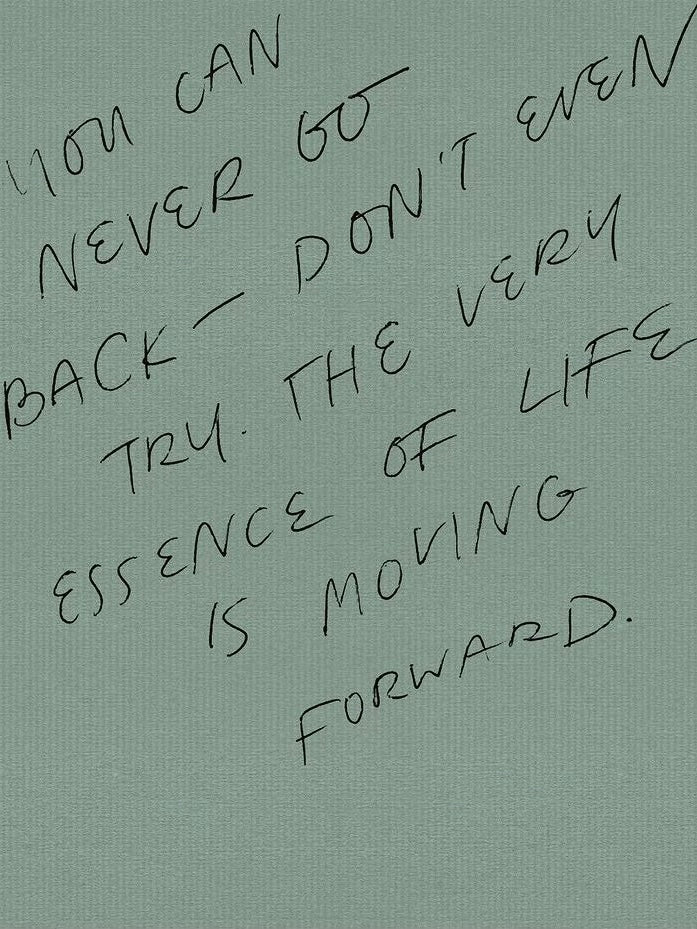
OVERCOMING TRAUMA AND MOVING FORWARD HEALED: WHAT THE SCIENCE ACTUALLY SAYS
Trauma is one of the most misunderstood words in the wellness conversation. It has been simultaneously overclaimed, applied to every difficult experience, and underclaimed, dismissed as something that happened in the past and should therefore be over by now. Neither framing serves the people carrying it.
The science of trauma is considerably more specific and considerably more hopeful than either of those cultural positions suggests. Trauma is not a story you tell about yourself. It is a physiological event. It changes the structure and function of the brain. It alters the nervous system in ways that are measurable and documented. And crucially, the same neuroplasticity that makes the brain vulnerable to trauma's effects is also what makes recovery not just possible but, for many people, profound.
This is what the research actually says.
What Trauma Does to the Brain and Nervous System
Trauma does not live only in memory. It lives in the body, in the nervous system, in the physiological patterns that persist long after the original event has passed.
When a person experiences something overwhelming, the brain's threat detection system, centered in the amygdala, fires a rapid alarm that mobilizes the body for survival. The prefrontal cortex, responsible for rational thought, perspective, and language, goes partially offline. The hippocampus, which encodes memories in sequence and context, is flooded with stress hormones that disrupt normal memory consolidation. What results is not a narrative memory but a sensory, fragmented one: images, physical sensations, smells, sounds, emotional states stored in the body without the organizing structure of a coherent story.
This is why traumatic memories do not behave like ordinary memories. They do not fade with time the way normal memories do. They are retrieved not through conscious recall but through triggers, sensory or emotional cues that activate the body's stored response to the original threat as if it were happening now.
Research on the neurobiology of trauma consistently documents changes in three key brain regions. The amygdala becomes hyperreactive, treating familiar situations as dangerous and generating a state of chronic low-level alarm. The prefrontal cortex becomes less active, reducing the capacity to regulate emotion, think clearly under stress, or feel settled in the present. The hippocampus shows measurable volume reduction in people with chronic PTSD, impairing the ability to contextualize experience and distinguish past threat from present safety.
Beyond the brain, trauma leaves its signature in the autonomic nervous system. Drawing on Stephen Porges' Polyvagal Theory, researchers understand that trauma shifts the nervous system out of the ventral vagal state of social engagement and calm into sustained patterns of either sympathetic activation, the fight-or-flight state, or dorsal vagal shutdown, the freeze or collapse state. The nervous system, having learned that the world is dangerous, stays organized around survival rather than connection and restoration. This is not a choice. It is physiology doing exactly what it was designed to do.
Why Healing Requires the Body, Not Just the Mind
For much of the history of trauma treatment, the primary approach was cognitive: talk about what happened, reframe the narrative, build insight. And while cognitive approaches have genuine value, the neuroscience of trauma has clarified a limitation that experience had already suggested. You cannot think your way out of a physiological state.
When the nervous system is organized around threat, the prefrontal cortex, where insight and language live, has reduced access. The parts of the brain that remember the trauma, the amygdala, the body's sensory memory, are not primarily linguistic. They store experience in sensation, impulse, posture, and emotion, and they respond not to reason but to the felt sense of safety or danger in the present moment.
This is the scientific basis for the significant shift toward body-based trauma therapies over the past two decades. Healing from trauma requires that the nervous system itself learns a new conclusion: that the danger is over, that the body can complete the defensive responses it mobilized and never discharged, and that it is safe to return to a state of openness and connection.
That learning happens not primarily through insight but through direct, repeated, embodied experience of safety.
The Therapies with the Strongest Evidence
EMDR: Eye Movement Desensitization and Reprocessing is now recognized as one of the most evidence-based treatments for PTSD by major bodies including the American Psychological Association and the WHO. The therapy works by having a person hold a traumatic memory in mind while simultaneously engaging in bilateral stimulation, typically guided eye movements, alternating taps, or auditory tones that activate both hemispheres of the brain in sequence.
The mechanism is still being refined, but research suggests that bilateral stimulation activates the same brain processes that occur during REM sleep, when the brain consolidates and reprocesses emotional memories. By accessing the traumatic memory in a state of bilateral activation, the brain is given the conditions it needs to reprocess the memory, integrating it into the past rather than keeping it perpetually present.
A 2025 chart review confirmed EMDR's effectiveness in reducing both PTSD and depression symptoms in veteran populations across in-person and telehealth formats. A 2024 study found EMDR both safe and effective in populations with PTSD and co-occurring psychotic disorders, a group historically excluded from trauma research. Research has also shown that EMDR begun shortly after a traumatic event may reduce the development of long-term PTSD by interrupting the consolidation of traumatic memory before it becomes entrenched.
Somatic Experiencing: Developed by Peter Levine and rooted in the observation that animals in the wild rarely develop lasting trauma responses despite frequent life-threatening encounters, Somatic Experiencing works with the body's incomplete defensive responses rather than with cognitive narrative.
Levine's core insight was that trauma occurs when the enormous survival energy mobilized for fight or flight cannot be discharged because the person is overwhelmed, frozen, or otherwise unable to complete the defensive action. That energy remains stored in the body, and the symptoms of trauma, the hypervigilance, the startle responses, the chronic tension, the dissociation, are the body's attempt to manage undischarged survival energy.
Somatic Experiencing guides clients to gently approach and complete these thwarted defensive responses, titrating the level of activation carefully so the nervous system can process what it was unable to complete at the time. Research published in Psychology and Psychotherapy in 2025, examining veterans in a randomized controlled trial comparing Somatic Experiencing and Prolonged Exposure, found that both therapies produced meaningful change but through distinct mechanisms, with Somatic Experiencing participants describing a more embodied, process-oriented experience of transformation.
Internal Family Systems: Internal Family Systems therapy, developed by Richard Schwartz, works with the premise that the psyche is naturally multiple rather than singular, that we all contain different parts, some of which carry the burden of traumatic experience. The therapeutic work involves identifying the parts that are carrying pain or operating from protective strategies learned in response to trauma, and developing a compassionate relationship with them from the core self rather than trying to eliminate or override them.
IFS has accumulated a growing evidence base for trauma and PTSD and is notable for being one of the few trauma therapies that does not require revisiting traumatic events in detail, making it accessible for people who cannot yet tolerate direct trauma processing.
Cognitive Processing Therapy: CPT is a structured, evidence-based therapy for PTSD that focuses on identifying and modifying what are called stuck points, the beliefs about oneself, others, and the world that trauma generates and maintains. Stuck points include beliefs like it was my fault, I am permanently damaged, or the world is completely dangerous. CPT works through a combination of written accounts of the traumatic event and structured worksheets that challenge and replace these distorted cognitions.
CPT has strong evidence across multiple trauma types and populations and is particularly well-supported in veterans and survivors of sexual assault. It is one of the primary treatments recommended in VA and DoD clinical practice guidelines.
The Role of the Body in Everyday Healing
Beyond formal therapy, the research on trauma recovery consistently highlights the importance of practices that directly address the nervous system's physiological state. These are not alternatives to professional treatment. They are what happens between sessions, in daily life, over the months and years of a healing trajectory.
Movement, particularly rhythmic movement such as walking, running, dancing, or swimming, helps discharge the mobilized energy that trauma leaves in the body. Research consistently links regular physical activity to reduced PTSD symptom severity, improved mood, better sleep, and enhanced emotional regulation. Exercise that involves coordination and rhythm is particularly effective at engaging the bilateral brain processes that support trauma processing.
Breathwork is one of the most direct and accessible ways to shift the autonomic nervous system from sympathetic activation into parasympathetic calm. Extended exhales in particular, breathing out longer than you breathe in, activate the vagal brake, the mechanism by which the vagus nerve slows the heart rate and signals safety to the body. Even brief intentional breathing practices, practiced consistently, build vagal tone over time in ways that increase the nervous system's resilience and flexibility.
Meditation and contemplative practices, including mindfulness-based stress reduction, have been shown in a 2024 systematic review of 20 randomized controlled trials to produce significant reductions in PTSD symptoms through improvements in interoceptive awareness, vagal tone, and the capacity to experience difficult sensations without becoming overwhelmed.
Safe, attuned connection with other people, coregulation through physical presence and touch, is another of the most potent nervous system regulators available. Trauma frequently disrupts the capacity for safe connection, and the process of rebuilding that capacity, in therapy, in relationships, and in community, is itself part of the healing.
Post-Traumatic Growth
One of the most important and least discussed dimensions of trauma research is the phenomenon of post-traumatic growth, the documented capacity of human beings to emerge from profound suffering not merely restored but genuinely transformed.
Post-traumatic growth does not mean that trauma is beneficial or that suffering should be welcomed. It means that within the process of navigating genuine hardship, people sometimes discover strengths they did not know they had, priorities that matter more than the ones they were living before, a depth of compassion for themselves and others that was not accessible before the fracture, and a relationship with life that is more intentional, more present, and in certain ways richer than it was before.
Research on post-traumatic growth has documented it across cultures, trauma types, and populations. It appears most reliably when people have adequate support, engage in deliberate meaning-making, and move through rather than around the experience. It is not guaranteed, and it does not arrive on a timeline. But it is real, and it is documented, and it belongs in any honest conversation about what healing from trauma can look like.
What Healing Actually Looks Like
Healing from trauma is not linear. It is not a straight progression from broken to fixed. It moves in cycles, in seasons, in waves. There are periods of genuine stability followed by unexpected activation. There are breakthroughs followed by what can feel like regression but is often the nervous system encountering the next layer of what it has been holding.
Healing is also not the erasure of what happened. The traumatic memory does not disappear. What changes is the body's relationship to it. A memory that once triggered a full physiological alarm response begins to feel like a memory, located in the past, carried without consuming the present. The nervous system learns that the danger is over. Not through being told so, but through enough accumulated experience of safety that the body reorganizes itself around that truth.
This is a slow process. It requires patience, professional support where trauma is significant, and a sustained commitment to the practices that build nervous system flexibility over time. It also requires what may be the most difficult thing trauma takes away and healing gradually restores: the capacity to trust that the present moment is different from the past, and that the body is allowed to know it.
The Bigger Picture
The science of trauma recovery has undergone a genuine revolution in the past three decades. What was once understood primarily as a psychological phenomenon, a problem of memory and meaning, is now understood as a physiological one that requires physiological as well as cognitive healing. The brain can rewire. The nervous system can learn new patterns. The body can discharge what it has been holding. And the self that exists on the other side of that process is not simply a restored version of who someone was before. For many people, it is something more.
Trauma does not have to be the last word. The research is increasingly clear on this. And that clarity, communicated honestly, is itself a form of the safety the nervous system needs to begin.
If you are experiencing PTSD or trauma symptoms, please reach out to a licensed mental health professional. Support is available and effective, and you do not have to navigate this alone.
Scientific Sources
- Tataranu, L.G. and Rizea, R.E. Neuroplasticity and Nervous System Recovery: Cellular Mechanisms, Therapeutic Advances, and Future Prospects. Brain Sciences, 2025.
- PMC. The Body Can Balance the Score: Using a Somatic Self-Care Intervention to Support Well-Being and Promote Healing. 2025.
- Forma Counseling. The Brain Science Behind Trauma: How Experiences Rewire Our Nervous System. formacounseling.com, 2026.
- Zeam Health. Is EMDR Therapy Evidence-Based? What Research Says in 2025. zeamhealth.com, 2026.
- Frontiers in Psychology. Present and Future of EMDR in Clinical Psychology and Psychotherapy, Volume III. 2025.
- Harwood-Gross, A., et al. Veterans' Experiences of Somatic Experiencing and Prolonged Exposure Therapies for PTSD: A Qualitative Analysis. Psychology and Psychotherapy: Theory, Research and Practice, 2025.
- PMC. Evolving Psychotherapeutic Approaches for PTSD: Beyond the Fear-Based Model. Psychiatry and Clinical Psychopharmacology, 2025.
- Preprints.org. The Psycho-Somatic-Noetic Paradigm in Trauma Treatment: A Critical Review of Gaps and Integrative Solutions. 2025.
- Monima Wellness. How to Heal Your Nervous System: What Research Shows. monimawellness.com, 2026.
- Re-Origin. Reset Your Nervous System Post-Trauma. re-origin.com, 2025.

BY Self Maximized