THE PSYCHOLOGY OF COMFORT OBJECTS IN CHILD DEVELOPMENT
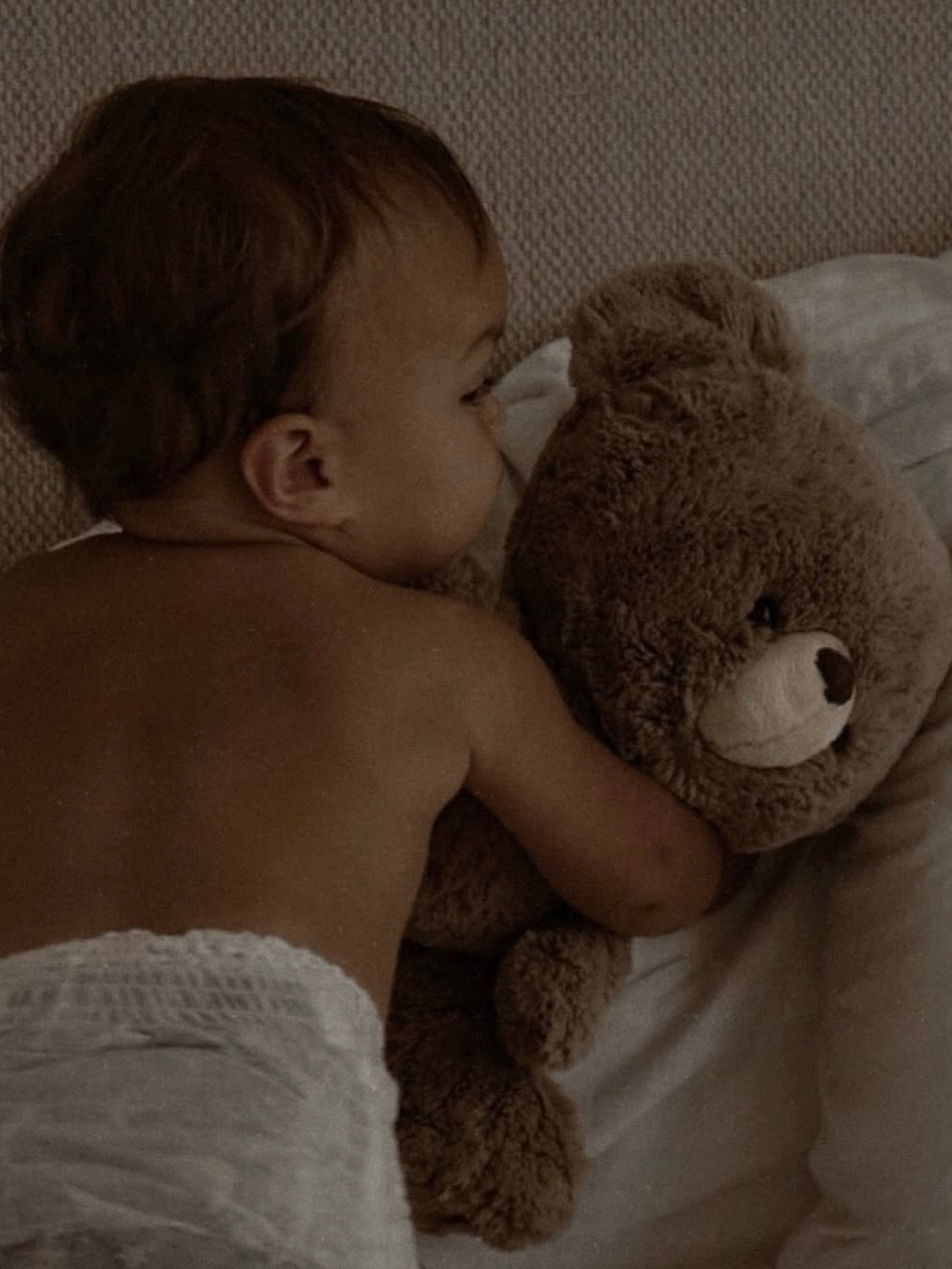
Many adults can still remember a cherished blanket, stuffed animal, favorite toy, or special object from childhood. These seemingly ordinary possessions often held extraordinary significance. They traveled everywhere, provided comfort during difficult moments, and sometimes became treasured companions during the earliest years of life.
While comfort objects may appear simple on the surface, psychologists have long recognized their important role in emotional development. Research suggests that these beloved items can help children navigate separation, regulate emotions, build resilience, and gradually develop independence.
Far from being a sign of weakness or dependence, attachment to a comfort object is often considered a healthy and developmentally normal part of childhood.
What Are Comfort Objects?
Comfort objects, sometimes called transitional objects, are items that children develop strong emotional attachments to. These may include stuffed animals, blankets, dolls, soft toys, or other meaningful possessions.
The term "transitional object" was first introduced by British pediatrician and psychoanalyst Donald Winnicott in the 1950s. Winnicott observed that many children used special objects to help bridge the transition between complete dependence on caregivers and growing independence.
For a young child, a comfort object can provide reassurance during moments when a parent or caregiver is not immediately present. The object becomes a symbol of safety, familiarity, and emotional security.
Why Children Become Attached to Comfort Objects
During infancy and early childhood, children are learning how to regulate emotions and navigate the world independently. Their nervous systems are still developing, and they often rely heavily on caregivers for comfort and reassurance.
Comfort objects can serve as emotional anchors during this process.
A familiar blanket or stuffed animal carries sensory cues such as texture, smell, and familiarity that help create a sense of safety. When children feel overwhelmed, tired, anxious, or uncertain, these objects can provide a source of comfort that helps reduce distress.
In many ways, comfort objects act as a bridge between external support and internal self regulation.
Comfort Objects and Emotional Regulation
One of the most important functions of comfort objects is their ability to support emotional regulation.
Young children often experience big emotions without fully developed coping skills. Frustration, fear, sadness, disappointment, and separation anxiety can feel overwhelming.
Comfort objects provide a predictable source of familiarity during stressful moments. Holding a favorite stuffed animal or blanket may help lower emotional intensity and create a sense of calm.
Research suggests that familiar objects can reduce stress responses and help children recover more quickly from emotionally challenging situations.
Over time, children gradually internalize these feelings of comfort and learn to regulate their emotions more independently.
The Connection to Attachment Theory
Attachment theory, developed by psychologist John Bowlby and later expanded by Mary Ainsworth, emphasizes the importance of secure relationships between children and caregivers.
Children who develop secure attachments learn that support and comfort are available when needed. This sense of security becomes the foundation for healthy exploration and independence.
Comfort objects often complement this process rather than replace it.
A child's attachment to a stuffed animal or blanket does not mean they are less attached to their caregiver. In fact, comfort objects frequently emerge in children who have secure relationships and feel safe enough to explore the world around them.
The object serves as a reminder of safety when the caregiver is temporarily absent.
Comfort Objects and Independence
One of the most fascinating aspects of comfort objects is that they often support independence rather than hinder it.
Parents sometimes worry that attachment to a comfort object will make a child overly dependent. Research generally suggests the opposite.
Because comfort objects provide emotional security, they often give children the confidence to venture into new environments, attend school, sleep independently, or try unfamiliar experiences.
The object acts as a portable source of reassurance that allows children to gradually build confidence and resilience.
In this way, comfort objects can become tools for growth rather than obstacles to it.
Why Some Children Form Stronger Attachments
Not all children develop strong attachments to comfort objects, and this variation is completely normal.
Temperament, personality, developmental stage, family dynamics, and individual experiences all influence whether a child adopts a transitional object.
Some children rely heavily on a special blanket or stuffed animal, while others find comfort through routines, relationships, or different forms of self soothing.
There is no single "correct" approach to emotional security.
Do Adults Have Comfort Objects Too?
Although comfort objects are most commonly associated with childhood, the underlying psychological mechanisms often continue throughout adulthood.
Many adults keep sentimental items, family heirlooms, photographs, jewelry, favorite books, or meaningful gifts that provide emotional comfort.
People may also seek comfort through familiar routines, cherished memories, favorite movies, or nostalgic experiences.
The human need for safety, familiarity, and emotional connection does not disappear with age. It simply evolves into different forms.
When Do Children Outgrow Comfort Objects?
Most children naturally reduce their reliance on comfort objects as they develop stronger emotional regulation skills and greater independence.
For some, this occurs during preschool years. Others maintain attachment to a favorite object well into middle childhood.
In most cases, there is no need to force separation from a comfort object. Children typically let go when they no longer need the same level of support.
Allowing this process to unfold naturally often promotes greater confidence and emotional security.
The Bigger Picture
Comfort objects may appear insignificant to adults, but to a child they can represent safety, connection, and emotional stability.
Psychologists increasingly view these objects as valuable developmental tools that help children navigate the complex journey from dependence to independence. By offering familiarity during moments of uncertainty, comfort objects support emotional regulation, resilience, and healthy attachment.
A beloved teddy bear or worn blanket is much more than a toy. It is often one of a child's earliest tools for learning how to comfort themselves, manage emotions, and feel secure in an ever expanding world.
Understanding the psychology behind comfort objects reminds us that development is not simply about becoming independent. It is also about feeling safe enough to grow.
Sources
- Winnicott, D.W. Transitional Objects and Transitional Phenomena. International Journal of Psychoanalysis, 1953.
- Bowlby, J. Attachment and Loss. Basic Books, 1969.
- Ainsworth, M.D.S. Patterns of Attachment. Lawrence Erlbaum Associates, 1978.
- Passman, R.H. The Attachment to Inanimate Objects. Journal of Consulting and Clinical Psychology, 1977.
- Lehman, E.B., et al. Transitional Objects and Emotional Development in Children. Child Psychiatry and Human Development, 1992.
- Bronson, M.B. Self Regulation in Early Childhood. Guilford Press, 2000.
- Thompson, R.A. Emotion Regulation: A Theme in Search of Definition. Monographs of the Society for Research in Child Development, 1994.
- Siegel, D.J., & Bryson, T.P. The Whole-Brain Child. Delacorte Press, 2011.
- Harvard Center on the Developing Child. The Foundations of Lifelong Health Are Built in Early Childhood.
- American Academy of Pediatrics. Emotional Development in Early Childhood.
- Image: @jennihiebs

BY Self Maximized